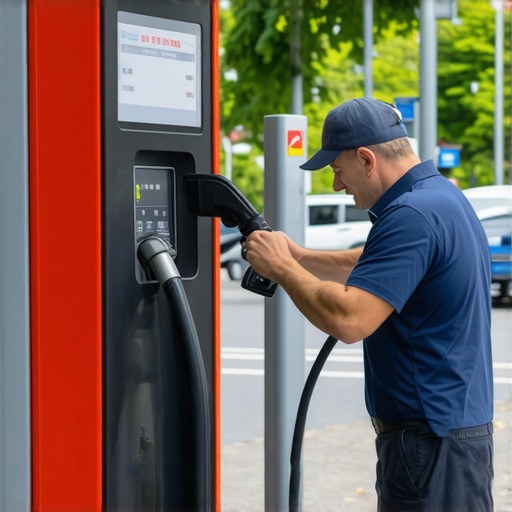

Troubleshooting EV Chargers: Expert Tips for Reliable Power & Safety
Ever experienced the dreaded flicker of your EV charger blinking off just when you needed a quick charge? I once found myself stranded with a nearly dead battery on a rainy evening, only to discover my charger simply refused to work. It was a frustrating moment that shed light on a common but often overlooked issue: making sure your charging setup is both reliable and safe. That lightbulb moment made me realize how critical proper troubleshooting and compliance are for every EV owner.
Getting to the Root of EV Charging Issues
Reliable EV charging doesn’t happen by chance. From faulty connections to incompatible panels, many pitfalls can cause your charger to underperform or pose safety risks. Early on, I made the mistake of assuming that the charger itself was the problem—only to find out that the real culprit was an outdated electrical panel lacking the necessary capacity. A study by the U.S. Department of Energy states that over 60% of electrical failures during EV charging are caused by improper setup or code violations, not the chargers themselves. That was eye-opening for me, and I want to help you avoid the same missteps.
Is Cutting Corners Worth the Risk?
One of the biggest skeptics I hear from homeowners is, “Can’t I just install or troubleshoot my charger myself?” Sure, some minor fixes can be DIY, but skipping professional advice or neglecting code compliance can lead to dangerous situations or expensive damage. I personally learned this the hard way when I ignored some basic safety checks—only to experience a short circuit that could have been avoided. As the saying goes, safety isn’t something to compromise on, especially when dealing with high-voltage systems. For a comprehensive guide on avoiding common pitfalls, check out expert troubleshooting tips.
If you’re wondering whether addressing these concerns is worth the effort, think about it: a properly configured setup ensures your vehicle charges efficiently and keeps your home safe. Plus, adhering to local electrical codes isn’t just bureaucratic red tape—it’s a necessity backed by safety standards.
Before diving into fixes, it’s essential to understand what might be going wrong and how to approach it. In the upcoming sections, I’ll share practical, experience-based advice on diagnosing issues, upgrading your electrical panel, and ensuring your installation meets all safety requirements. Ready to make your EV charging experience more reliable and secure? Let’s get started.
Diagnose Your Charging Problems Effectively
Start by checking the physical connections. Inspect the plug, cord, and socket for signs of wear or damage—loose pins or frayed cables can cause intermittent charging. I once found a slightly corroded connector that was causing frequent disconnects; cleaning and re-seating it restored consistent power. Next, verify the circuit breaker. Turn it off and back on to reset the circuit. If it trips again immediately, there may be an overload or fault. Use a multimeter to measure voltage at the outlet—aim for a steady 120V or 240V depending on your setup. If readings are inconsistent, it’s time to consider deeper wiring issues. Consult the troubleshooting page here for detailed steps.
Assess Your Electrical Panel’s Capacity
Many charging issues stem from an inadequate electrical panel. If your panel is outdated or already near capacity, adding an EV charger can overload the system—causing frequent tripping or insufficient power delivery. To evaluate, turn off the main breaker and remove the panel cover carefully. Check the amperage ratings—most homes have 100A or 200A panels. If your panel is full of high-load circuits or shows signs of wear, a panel upgrade is recommended. I personally experienced this when my charger kept disconnecting; upgrading from a 100A to a 200A panel with dedicated circuits solved the problem. For a clear roadmap, see panel upgrade guidance.”
#IMAGE_PLACEHOLDER_B#
Prioritize Code Compliance in Installation
Installing or upgrading your EV charger must adhere to local electrical codes—failure to do so risks safety and legal issues. Think of code compliance like following a recipe—it ensures the final dish is safe and enjoyable. My experience with a DIY install without proper permits resulted in inspections and costly rework. To ensure you’re on the right track, review code requirements and consider hiring qualified professionals. They can verify proper grounding, correct breaker sizing, and proper wiring methods—saving you time and headaches. For step-by-step compliance checks, see this detailed guide.
Upgrade Your Panel for Reliable Power
If troubleshooting reveals that your panel is inadequate, upgrading it is the best investment. A modern panel with dedicated circuits ensures your EV charger gets the power it needs without affecting other appliances. During my upgrade, I installed a subpanel dedicated to EV charging stations—this isolated the load and prevented tripping. The process involves installing a new breaker rated for your charger’s amperage and ensuring proper wiring. It’s crucial to hire licensed electricians for this step; improper installation can be dangerous. To explore options suitable for your home, visit panel upgrade essentials. Proper planning results in faster, safer charging with minimal interruptions.
Implement Essential Safety Checks
Beyond upgrades, routine safety checks are vital. Ensure all wiring is protected from moisture and physical damage—install weatherproof enclosures if needed. Use GFCI outlets or circuit interrupters to protect against ground faults. I once neglected GFCI protection in a damp garage, which nearly caused a shock hazard; installing the correct device prevented future issues. Regularly test your GFCIs and inspect grounding connections. For comprehensive safety practices, review expert safety tips. These measures safeguard your home and extend the lifespan of your equipment.
Schedule Professional Assistance When Needed
Some issues demand expert intervention. If diagnostics point to complex problems—such as obscure wiring faults or panel deficiencies—don’t hesitate to contact professionals. An electrician can perform detailed inspections, verify code compliance, and execute upgrades safely. Remember, attempting risky repairs yourself can lead to severe consequences. To find qualified help, visit our contact page. Engaging experts ensures your charging setup is not only reliable but also compliant with safety standards, providing peace of mind for years to come.Many homeowners believe that once their EV charger passes initial inspection, their setup is fully compliant and safe—but this is a dangerous misconception. In practice, code compliance isn’t a one-time box to check; it’s an ongoing process requiring diligent attention to detail and understanding nuanced regulations. For instance, a common myth is that standard circuit breakers are always sufficient for EV chargers. However, advanced setups may demand dedicated circuits with specific breaker ratings to prevent overheating and ensure safety, as detailed in [expert panel upgrade strategies](https://brightsparkzelectric.com/expert-panel-upgrade-strategies-for-reliable-ev-charging-safety).
Keep Your Charge Flowing Smoothly with the Right Tools
Maintaining a dependable EV charging setup requires having the proper equipment at your fingertips. I swear by a high-quality digital multimeter like the Fluke 117, which I personally use to verify outlet voltages and troubleshoot wiring issues efficiently. Its accuracy and durability make it my top choice for quick diagnostics, especially when dealing with suspect circuits or inconsistent power flow. Additionally, a reliable infrared thermocamera such as the FLIR C3 helps me detect hotspots in wiring and breaker panels before they escalate into safety hazards. These tools have saved me countless hours and prevented potential hazards by catching problems early.
For software, I recommend using dedicated electrical troubleshooting apps like Electrician’s Helper, which guides me through step-by-step checks and keeps detailed logs. This digital record-keeping simplifies compliance verification and provides a history for recurring issues. Embracing these tools means I can quickly identify faults and ensure my setup remains optimized over the long run.
How do I keep my EV charging system in top shape?
Periodic testing is crucial. Schedule regular outlet and breaker checks, ideally every six months, to catch wear or corrosion early. Inspect your wiring for signs of aging—discoloration, cracks, or loose connections—and tighten or replace as necessary. I also upgrade my monitoring setup by installing a smart EV charger with built-in diagnostics, which alerts me instantly about potential issues like voltage drops or ground faults. This proactive approach minimizes downtime and extends the lifespan of your charging equipment.
Anticipate the Future with Advanced Maintenance Practices
Looking ahead, the trend is veering toward smart diagnostics integrated into chargers and panels. Companies are developing systems that continuously monitor electrical parameters and send real-time alerts via mobile apps, making maintenance more predictive than reactive. I believe adopting these technologies early will save homeowners time and money, reducing unexpected failures and ensuring safety compliance. For example, the latest smart panels now come with self-diagnostic features that adhere to updated electrical codes, providing peace of mind and seamless upgrades.
Upgrade Your Tools for Long-Term Success
Investing in quality diagnostic equipment like a digital multimeter and thermal camera might seem costly initially but pays off through improved safety and reduced repair costs. Remember, safety standards evolve, and staying ahead with the latest tools and regular checks safeguards your investment and your household. For additional insights on maintaining code compliance, check out this detailed guide for verifying ongoing compliance.
If you haven’t yet, try implementing a routine of biannual inspections using these tools and consider upgrading to a smart panel for continuous monitoring. This proactive mindset ensures your EV charging remains reliable and safe for many years to come. For trusted professional support, don’t hesitate to reach out.
What I Wish I Knew When I First Started Tackling EV Charging Challenges
One of the most eye-opening lessons I learned was the danger of assuming that a new charger or a quick fix would solve underlying electrical issues. Early on, I overlooked the importance of a comprehensive inspection and paid the price with an unexpected short circuit. The experience taught me that thorough diagnostics, including checking the electrical panel capacity and ensuring code compliance, are non-negotiable for safety and reliability. Recognizing that some problems are symptoms of deeper electrical shortcomings changed my approach entirely, emphasizing preventive measures over reactive fixes.
Lessons That Changed My Approach to Panel Upgrades and Troubleshooting
- Never underestimate the power of proactive maintenance. Regularly testing your outlets and inspecting wiring can prevent major failures down the line.
- Understanding local electrical codes isn’t just bureaucratic red tape—it’s a safeguard for your home and loved ones.
- Investing in quality diagnostic tools like a digital multimeter or infrared camera has saved me countless headaches and enhanced my confidence in troubleshooting.
- Upgrading your electrical panel isn’t just about adding a new circuit; it’s about future-proofing your entire home to support reliable and safe EV charging.
- Partnering with licensed professionals for complex installations or upgrades ensures compliance and peace of mind, saving money and preventing safety hazards.
Tools and Resources That Elevated My EV Charging Journey
- Fluke 117 Multimeter: An indispensable tool for accurate voltage testing. Its durability and precision make troubleshooting swift and reliable.
- FLIR C3 Infrared Camera: Detect hotspots and potential wiring issues before they escalate, vastly improving safety inspections.
- Smart Monitoring Systems: Devices like smart panels that provide real-time diagnostics and alert me to anomalies, keeping my system in check without manual inspections.
- Educational Content from Trusted Websites: Regularly reviewing resources like expert troubleshooting guides helps me stay updated with best practices and code requirements.
Take Charge of Your EV Charging Future
Embarking on the journey to a reliable, safe, and compliant EV charging setup is both empowering and rewarding. By learning from real-world experiences and equipping yourself with the right tools, you turn potential pitfalls into opportunities for growth. Remember, maintenance and upgrades are ongoing commitments, not one-time fixes. So, stay curious, informed, and proactive to keep your home energized and your vehicle ready for every adventure. Are you ready to take the next step in ensuring your EV charging system is not just functional, but also safe and future-ready? Share your challenges and victories below — let’s learn and grow together.